

Quantum computers don't exist yet at the scale needed to threaten a blockchain like Ethereum or Bitcoin, but eventually, they will. Ethereum researchers, builders, and investors know that Ethereum must be ready before they arrive.
The urgency of this research became much more real in late 2024 when Google announced Willow, a quantum chip that solved a benchmark computation in under five minutes that would have taken the world's fastest classical supercomputer an estimated 10 septillion years. While Willow is nowhere near capable of breaking Ethereum's cryptography, it would need roughly a million times more qubits than Willow currently has, this headline signaled that quantum computing is advancing faster than any of us expected. For the Ethereum Foundation, it was further validation that starting the post-quantum migration early was the right call.
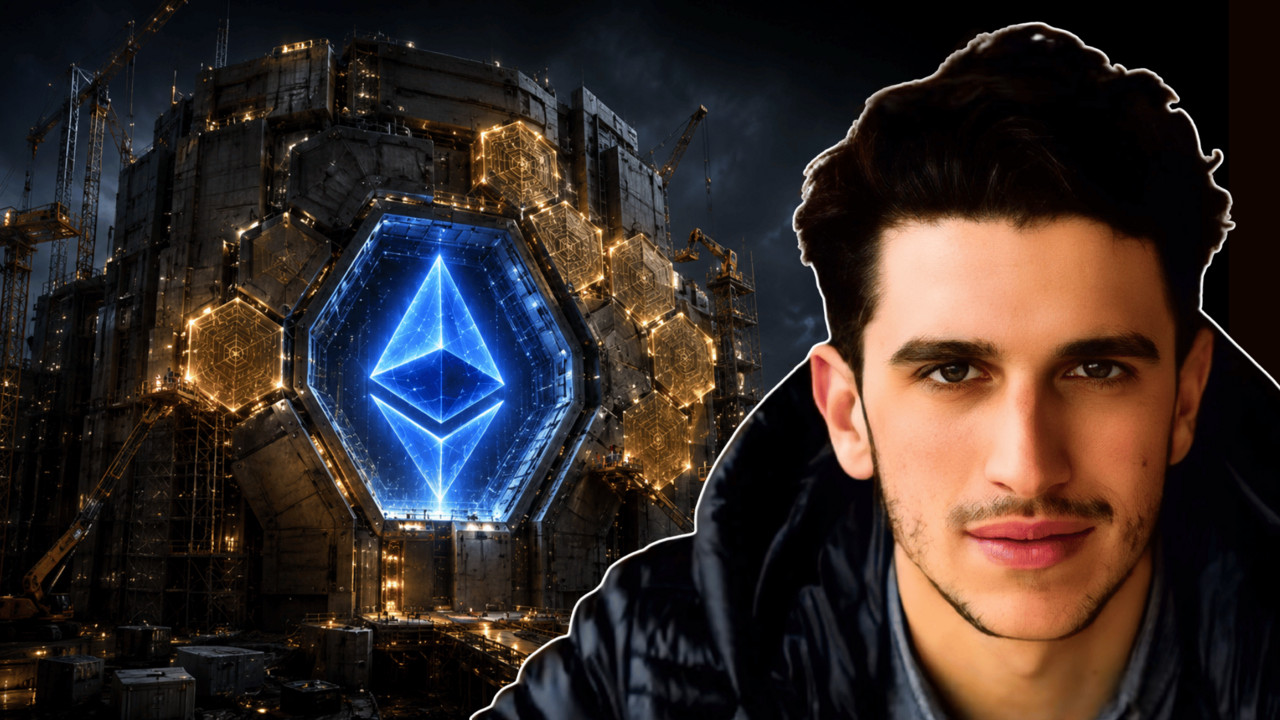
Thomas Coratger is a post-quantum cryptography researcher at the Ethereum Foundation. In a new episode of The Edge Podcast, we kick off mini series on Lean Ethereum, where we try to get to the most grounded and credible answer we've heard to the question every ETH holder eventually asks: is quantum computing actually a threat to my ETH?
A few things worth knowing…
The threat is real but the timeline is manageable. The quantum computers capable of breaking Ethereum's current cryptography don't exist yet and won't for years. When they do arrive, the first generation will be expensive, slow, and should require hours or even days to execute an attack, but the goal is be far enough ahead of this that Ethereum will have migrated to a quantum-resistant architecture before then.
The Ethereum Foundation started early. Post-quantum research at the EF began in earnest after Justin Drake's talk at Devcon Bangkok in late 2024. The full migration to quantum-safe Ethereum is targeted for 2029, a timeline Thomas considers reasonable given the current pace of progress and the resources being invested.
AI is dramatically accelerating their work. Thomas's team uses AI heavily, including Claude Opus and similar models that have transformed complex cryptographic research tasks that previously took days, into tasks that take minutes. Combined with formal verification tools, the EF is moving faster than the original roadmap anticipated.
You don't need to do anything yet. The migration will be handled at the protocol level. Users will eventually need to possibly take one action to migrate certain keys and/or wallets, but this will be communicated clearly in advance by researchers.
Listen to the latest Edge Podcast to hear the full breakdown on post-quantum Ethereum from Thomas!
| CONTINUE BELOW FOR PODCAST LINKS |
Thanks to our sponsors and who make this content free for you to enjoy!


Listen below on Spotify, Apple, and YouTube or check out our Linktree here!

🔗 Guest Links 🔗
► EF's Strawmap website: strawmap.org
► EF on X: x.com/ethereumfndn
► Thomas Coratger on X: x.com/tcoratger
📺 More Episodes You Might Enjoy

DISCLAIMER: Nothing said on The Edge Podcast is a recommendation to buy or sell tokens or securities. This content is for educational and entertainment purposes only. Nothing shared here is financial advice. Any views expressed by hosts or guests on the show are solely their opinions. Always do your own research. DeFi Dad, Nomatic, and guests may have positions in the assets or other matters discussed in this podcast. DeFi Dad and Nomatic hold ETH.
