

DeFi has a yield trap. Most of the yields onchain today come from sources we don't fully control such as staking rewards, T-bills held by centralized custodians, basis trades that depend on market conditions, and RWAs backed and held by third parties. When any of these external sources dry up or get disrupted, DeFi feels it immediately. The recent debate over lowering ETH issuance has made this dependency more obvious. If ETH staking rewards were theoretically decreased (they won’t as EIP-8361 looks dead on a arrival), a significant portion of DeFi yield could collapse with it.
Polaris is building a different foundational yield infrastructure for Ethereum.
The core insight is simple: Ethereum's monetary layer and its yield layer currently operate independently. Polaris connects these two systems by placing pETH, a yield-bearing reserve asset, at the center of its own self-contained economy.
Here's how it works…
First, native ETH enters the Polaris bonding curve and becomes pETH.
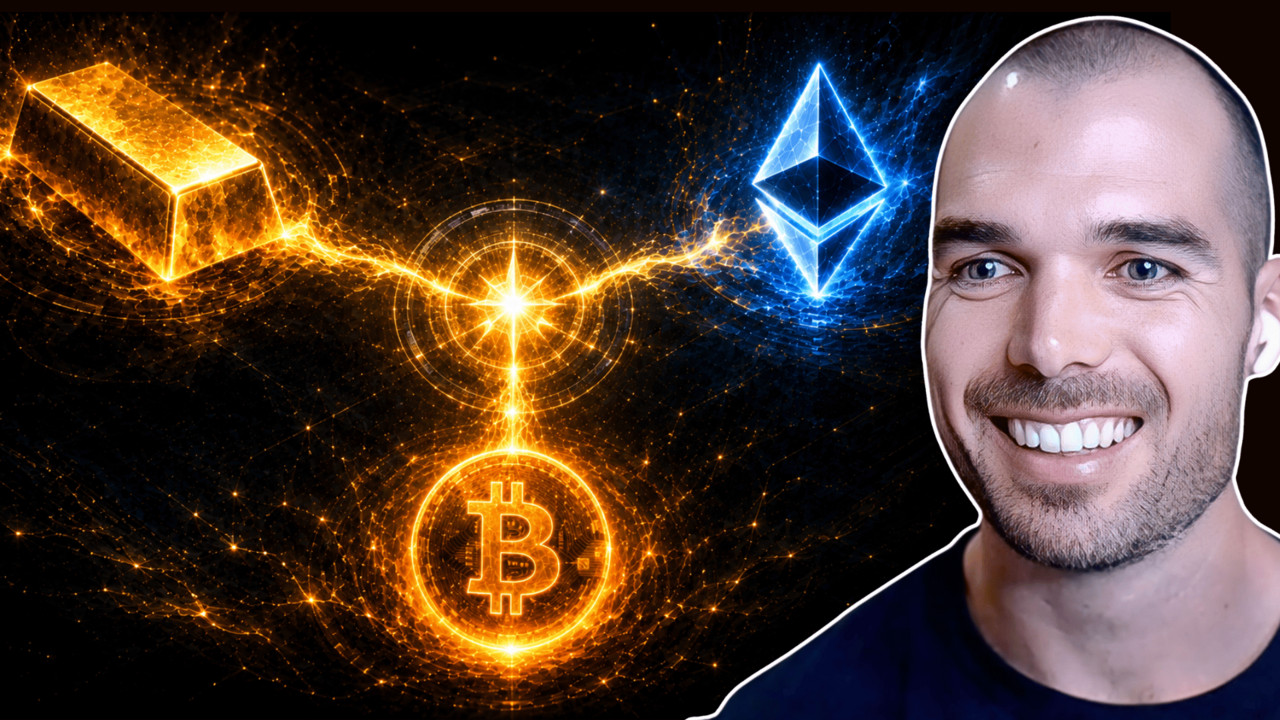
That pETH is then used as collateral to mint censorship-resistant stablecoins, commodities, and synthetic assets. USDp is a fully decentralized dollar, GOLDp would be a digital gold, and eventually we can expect other assets such as BTCp or CHFp. In the Polaris design, the economic activity generated by borrowers, traders, and liquidity providers flows back into pETH itself rather than leaking to external counterparties.
pETH has two unique properties worth understanding. First, it has an “ever-rising mathematical floor price,” meaning it can never go below a certain level relative to ETH. Second, it can be split into fpETH (the stable floor component) and vpETH (the volatile premium component), unlocking new financial strategies including non-liquidatable ETH loans and capital-efficient looping.

The most counterintuitive feature in Polaris is borrowers on certain markets like BTCp and GOLDp can actually earn more in pETH incentives than they pay in interest, resulting in a negative interest rate. You are literally being paid to borrow.
Similar to what we love in Liquity, everything is immutable, no multisigs, no freeze function, no centralized risk, and fully aligned with Ethereum's CROPS mandate (censorship resistant, open, permissionless, secure).
Polaris is still in testnet with mainnet launch targeting November in Q4 2026. More audits are in progress so just be cautious of smart contract risk and do your own research.
Listen to the latest Edge Podcast to learn more from the CoFounder Robert Mullins!
| CONTINUE BELOW FOR PODCAST LINKS |
Thanks to our sponsors and who make this content free for you to enjoy!



Listen below on Spotify, Apple, and YouTube or check out our Linktree here!

🔗 Guest Links 🔗
► Polaris website: polarisfinance.io
► Polaris on X: x.com/polarisfinance_
► Robert on X: x.com/0xluude
📺 More Episodes You Might Enjoy


DISCLAIMER: Nothing said on The Edge Podcast is a recommendation to buy or sell tokens or securities. This content is for educational and entertainment purposes only. Nothing shared here is financial advice. Any views expressed by hosts or guests on the show are solely their opinions. Always do your own research. DeFi Dad, Nomatic, and guests may have positions in the assets or other matters discussed in this podcast.
